Mustansiriyah University’s Master’s Dissertation on Effects of Low-Energy LASER & Near-Ultraviolet LASER Therapy
News of Universities
160
21-04-2026
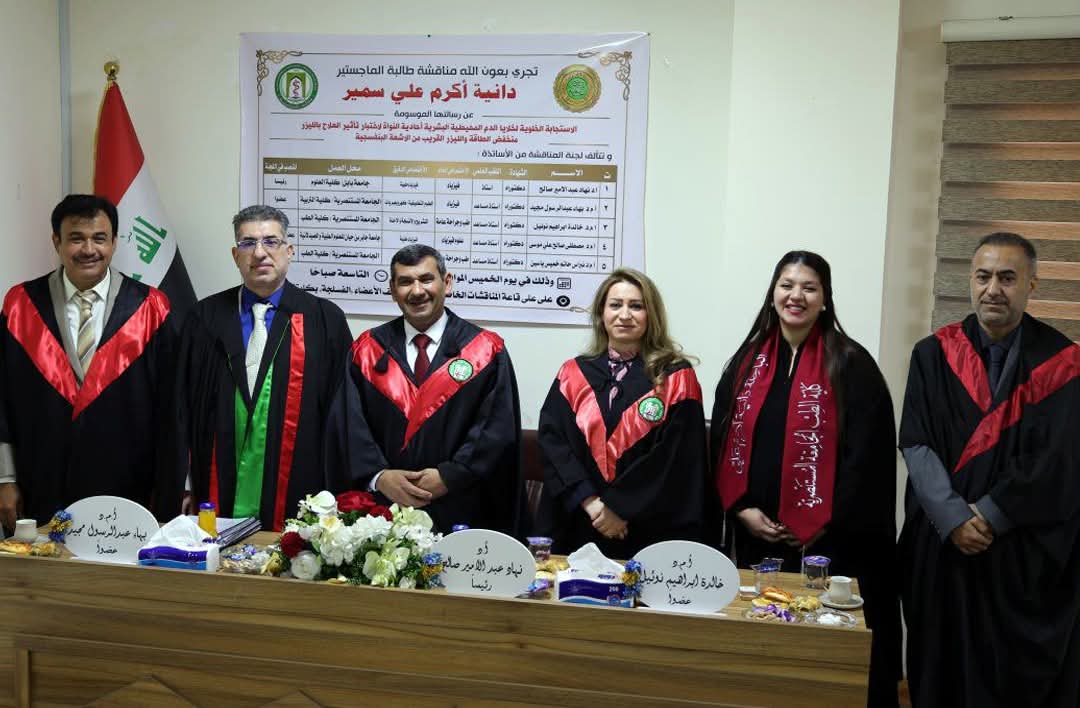
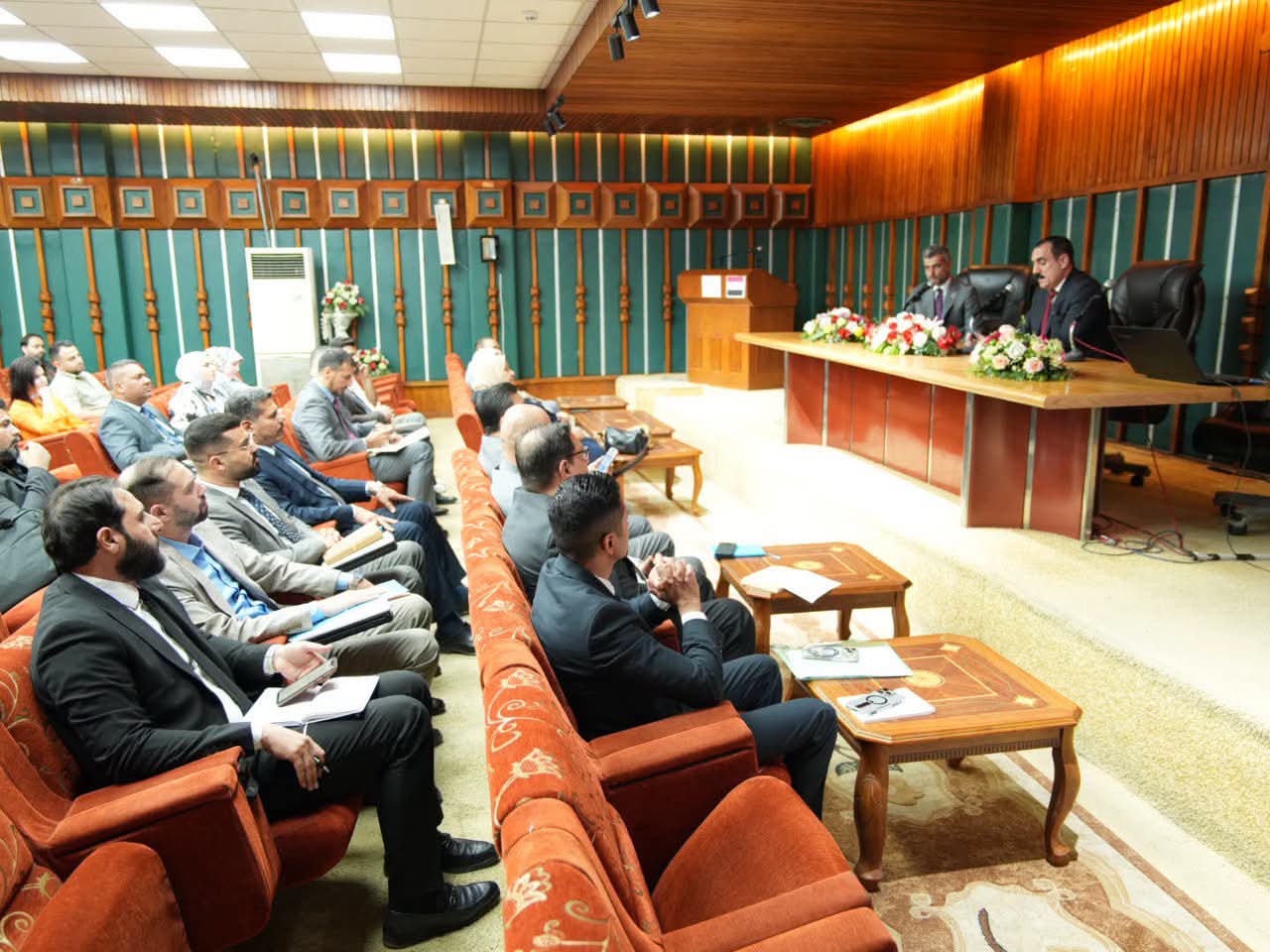
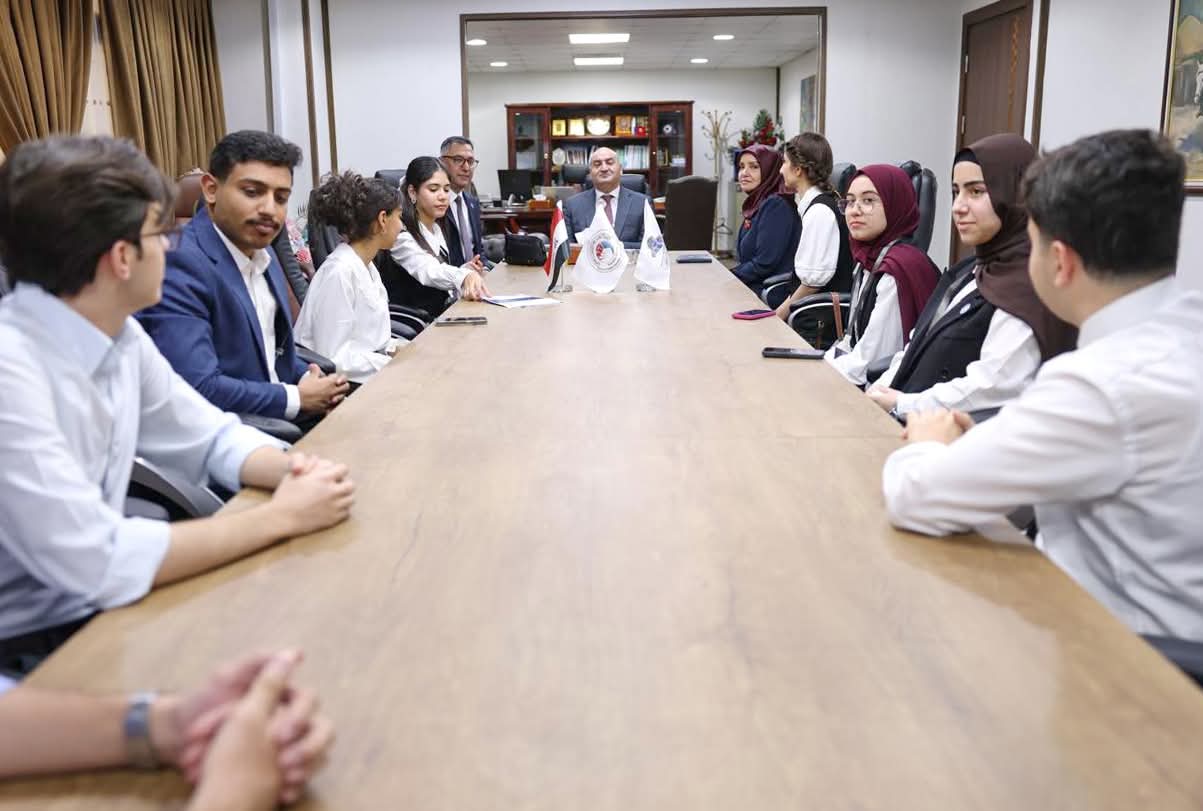
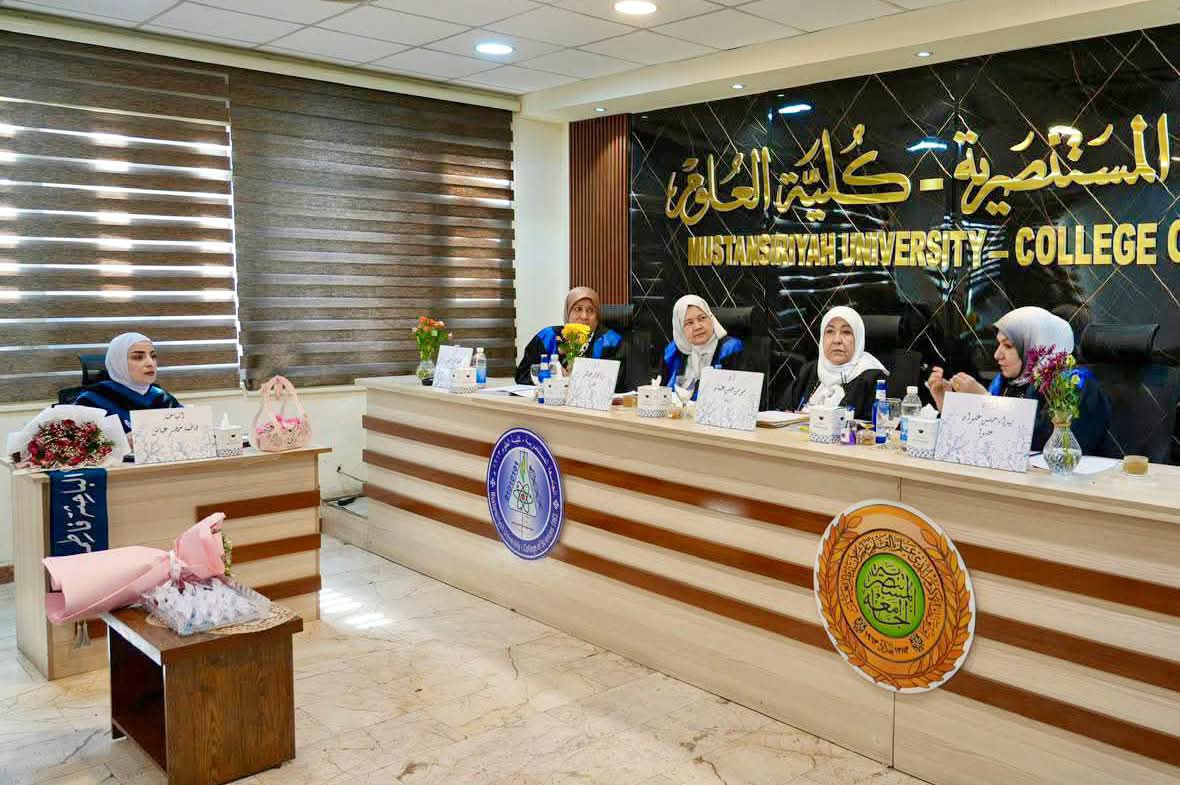
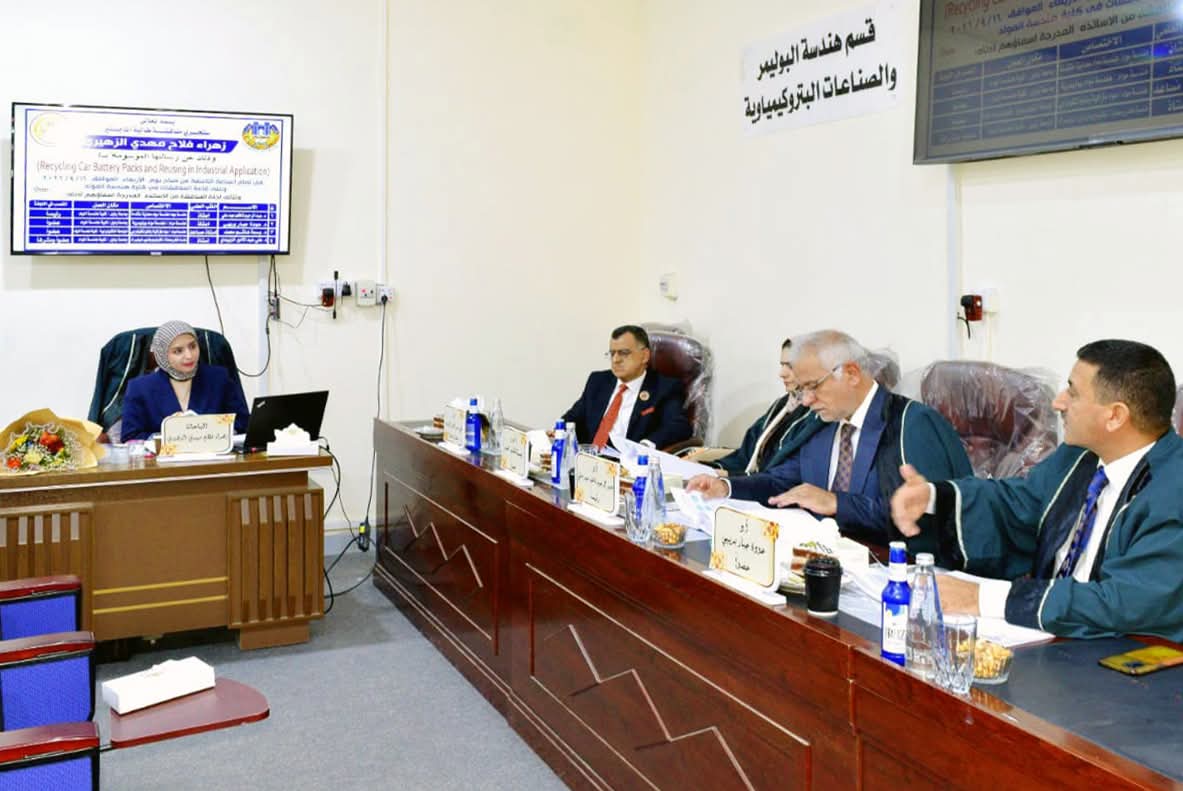
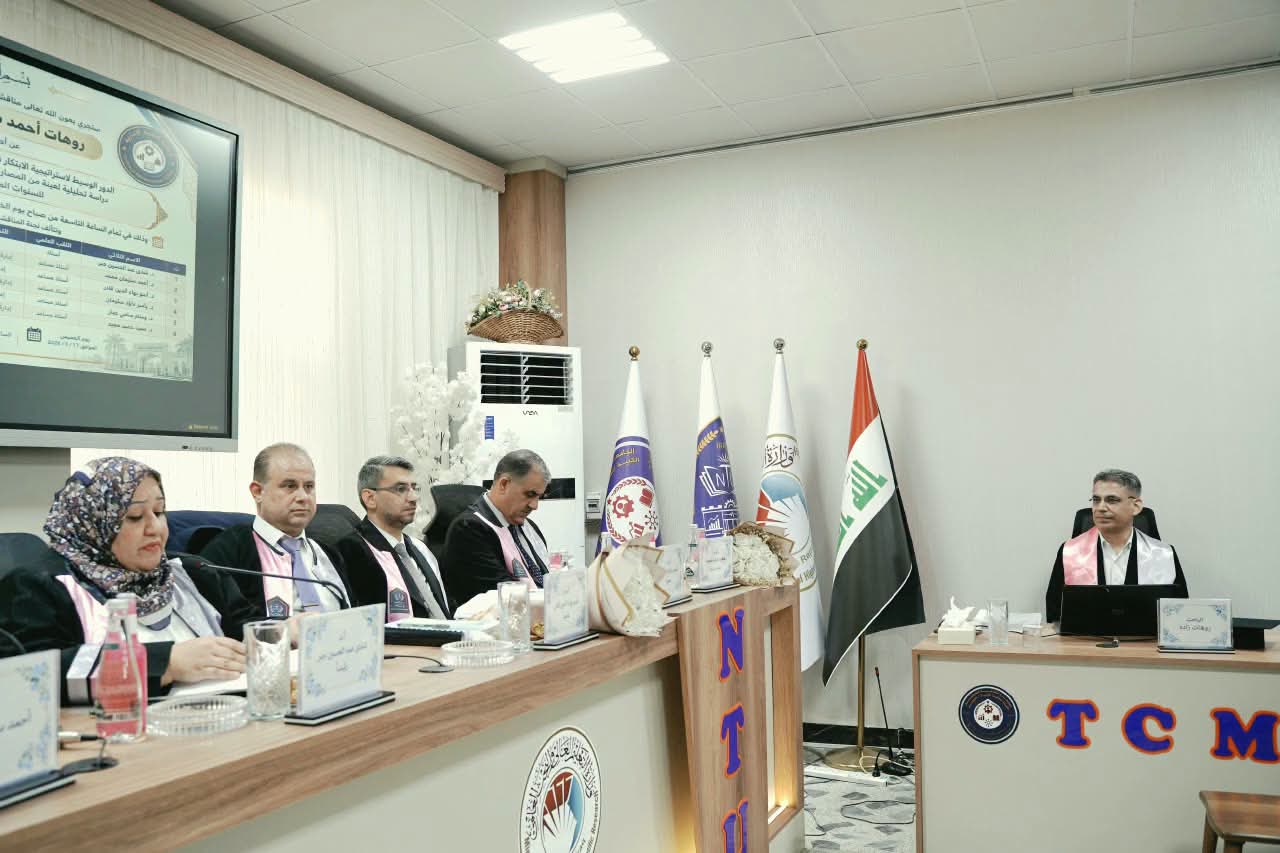
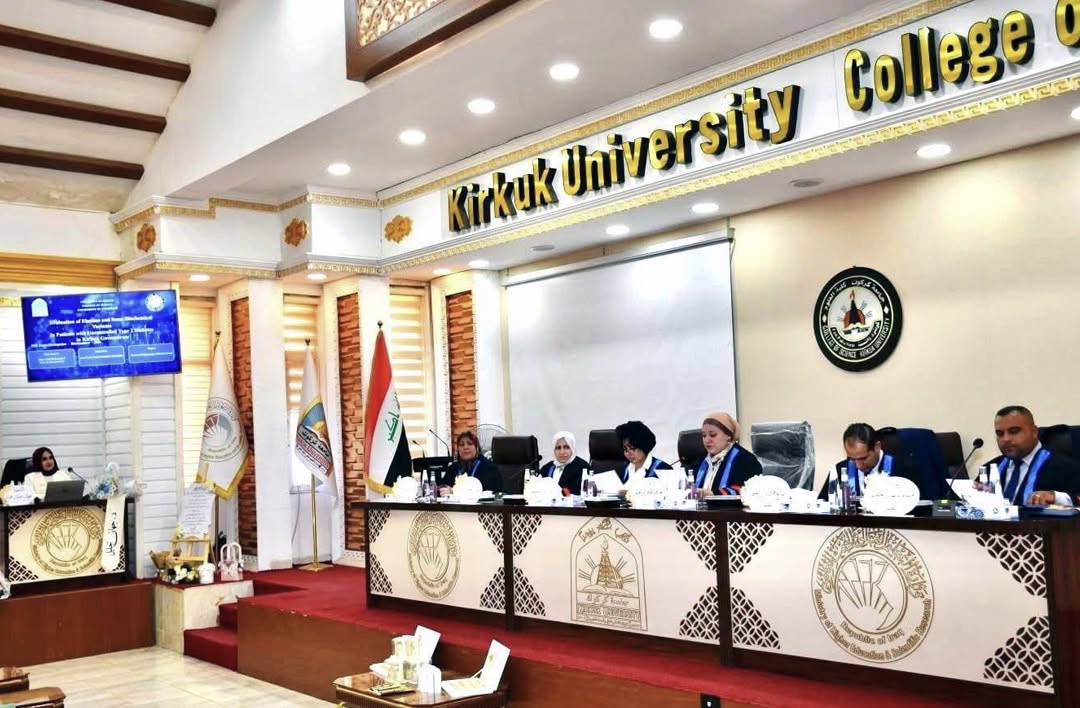
The College of Medicine, Mustansiriyah University discussed a master dissertation on the cellular response of human peripheral blood mononuclear cells to low-energy LASER and near-ultraviolet laser therapy by the postgraduate student, Ms. Dania Akram Ali.
The dissertation aimed at evaluating the effects of both low-intensity LASER (632 nm wavelength) and near-ultraviolet LASER (360 nm wavelength), whether through single or successive exposures at different time intervals, on cell viability and changes in gene expression of several immune cytokines.
The dissertation reviewed that light is a fundamental physical agent capable of inducing functional and molecular changes within living cells, and that low-intensity phototherapy has garnered increasing attention in the field of medical physics due to its potential applications in promoting tissue healing and regulating immune responses.
The dissertation concluded that the biological effects of phototherapy depend substantially on wavelength and exposure time, with low-intensity LASERs acting as both a stimulator and a protector by enhancing mitochondrial activity and improving the cells' ability to resist stress.