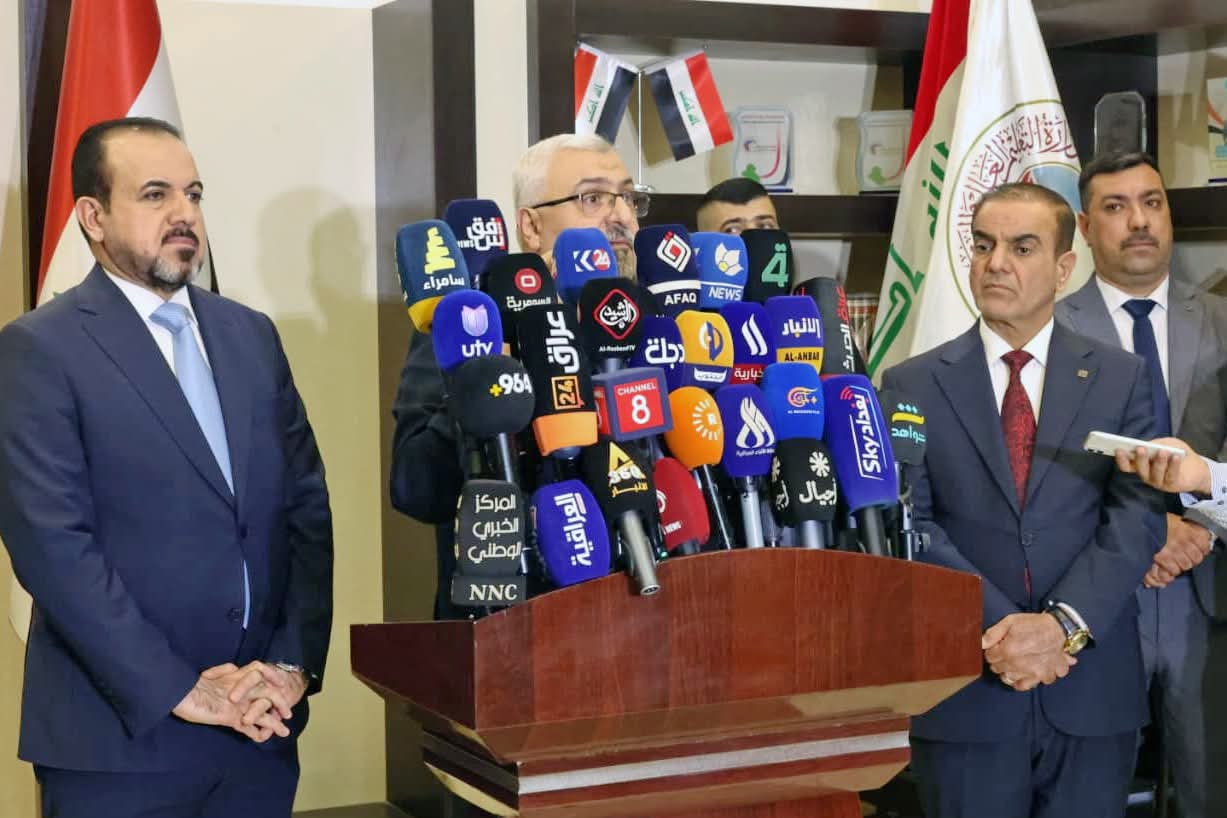
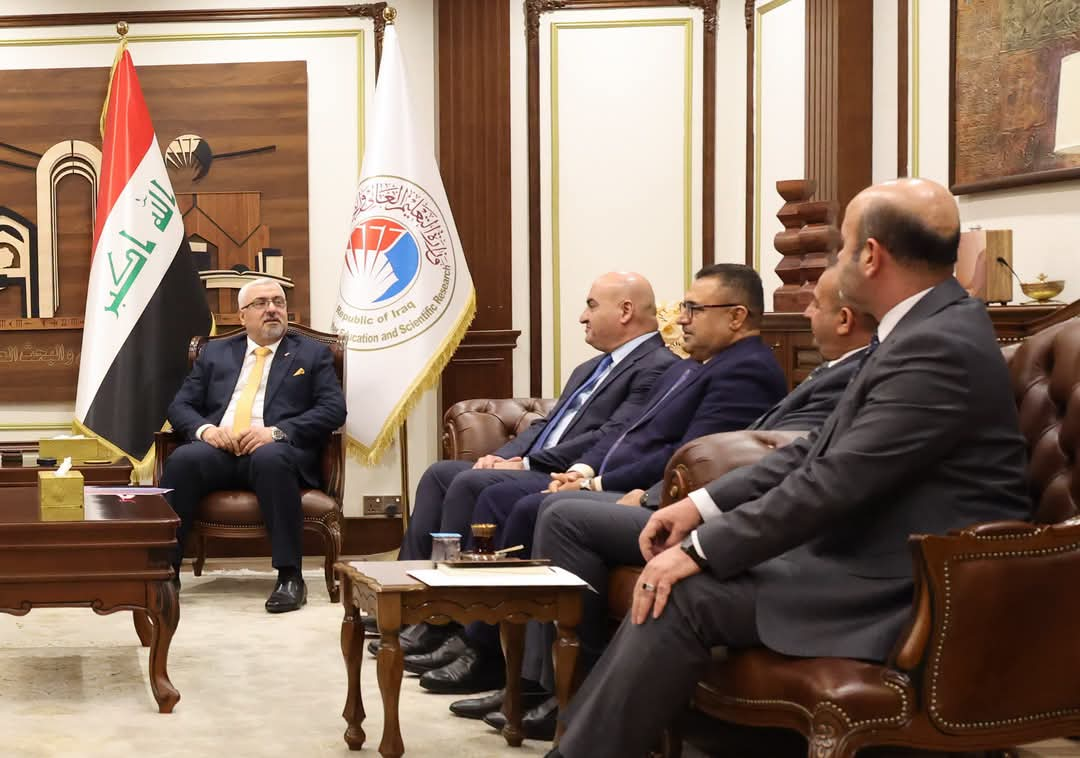
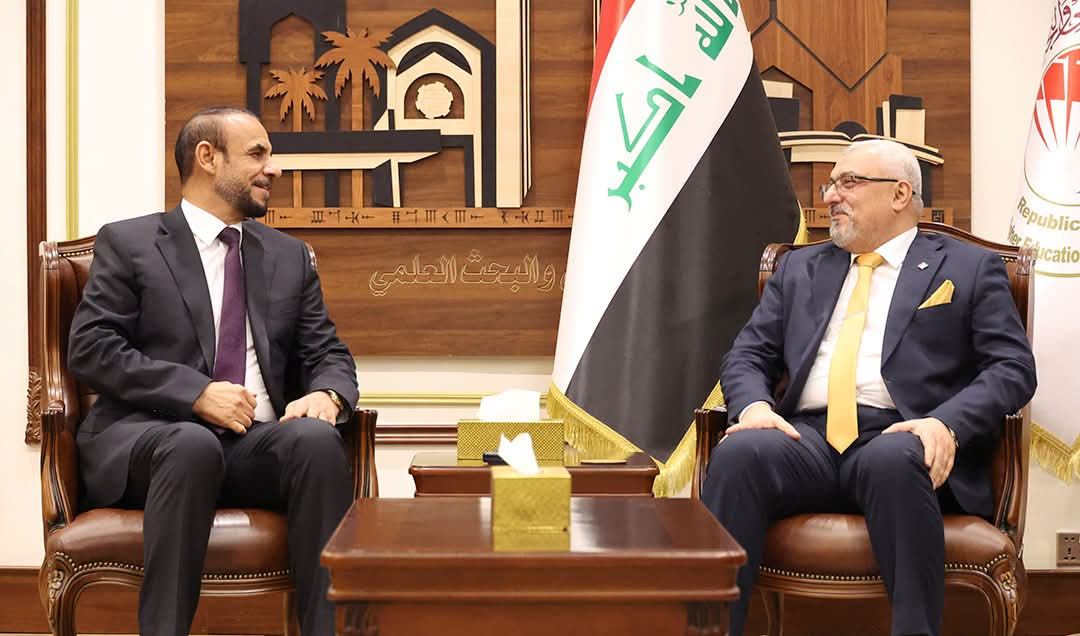
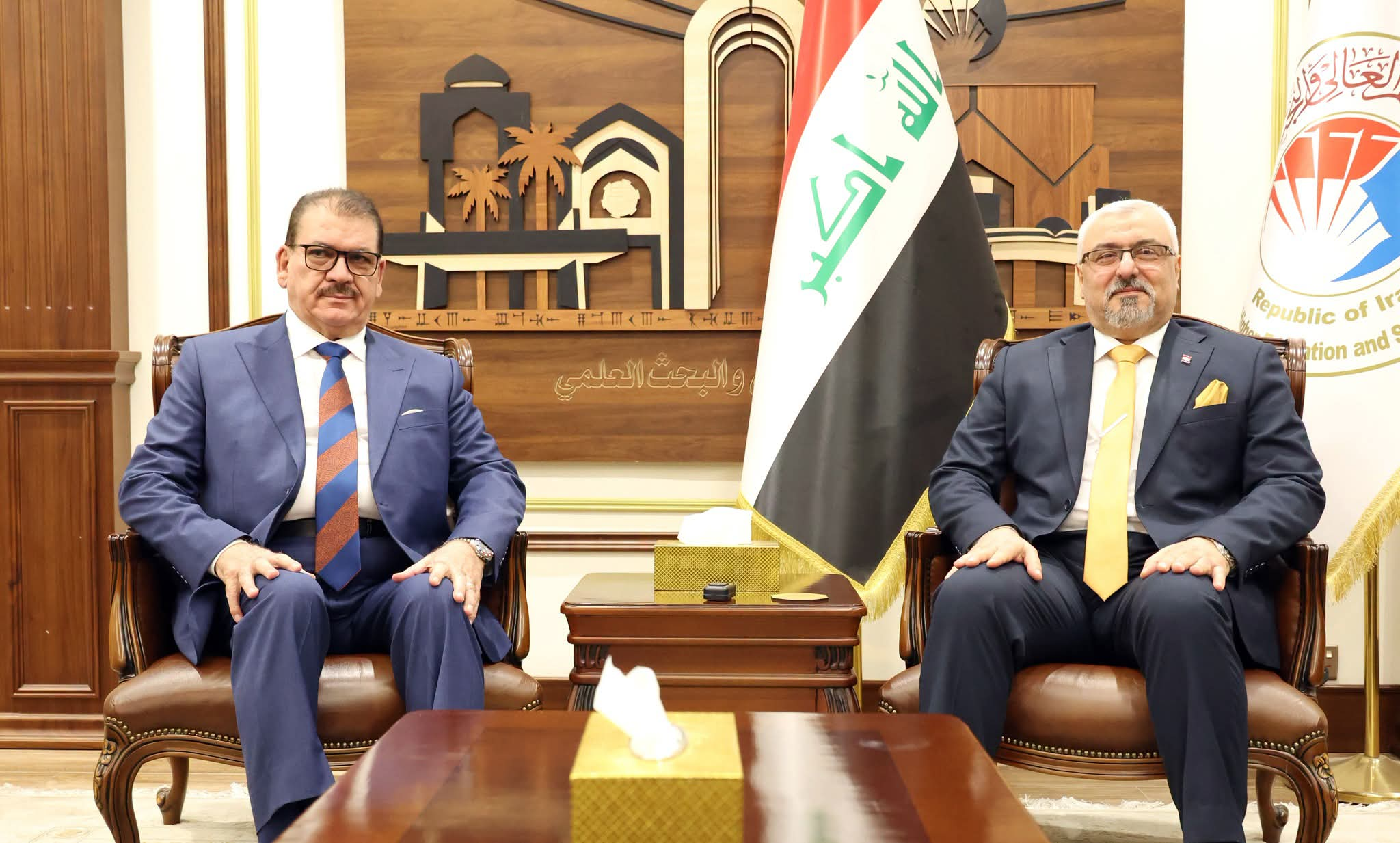
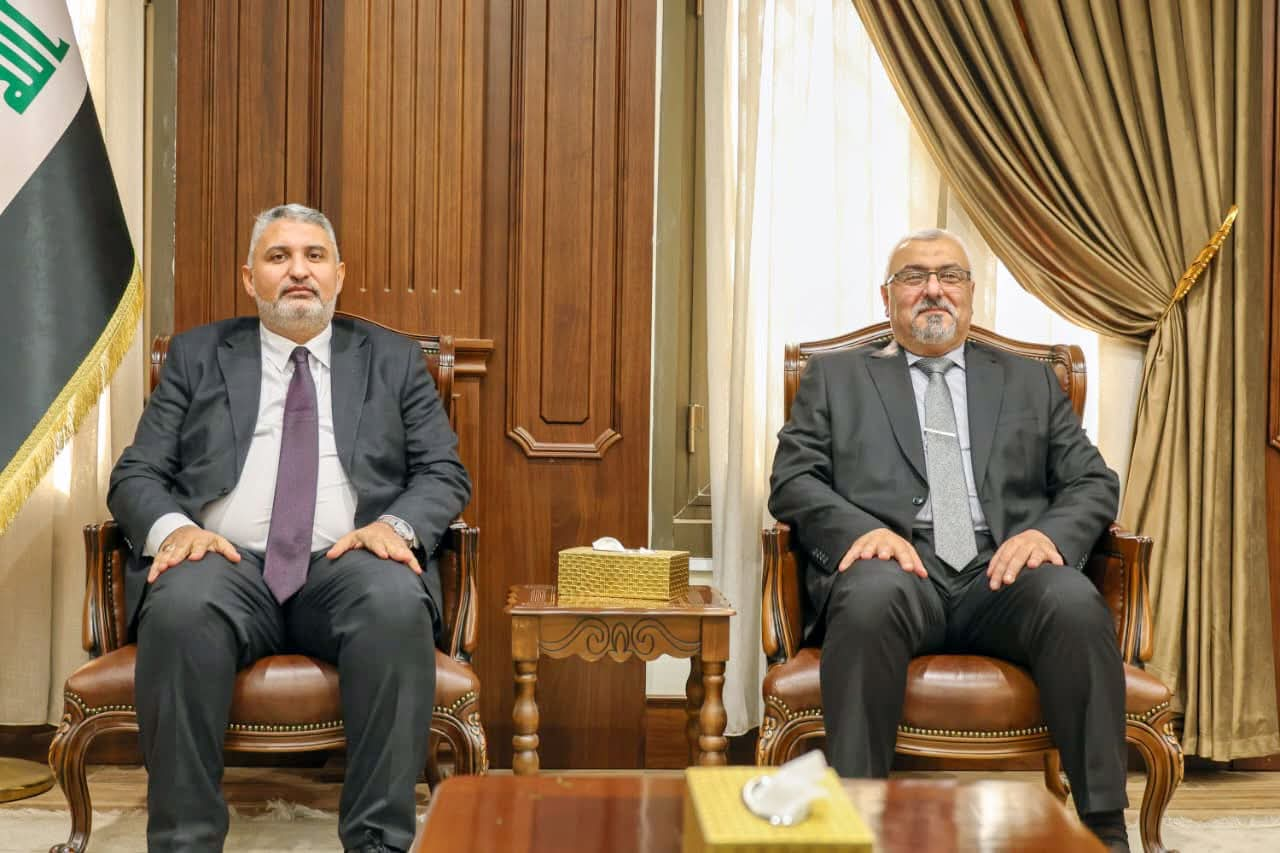
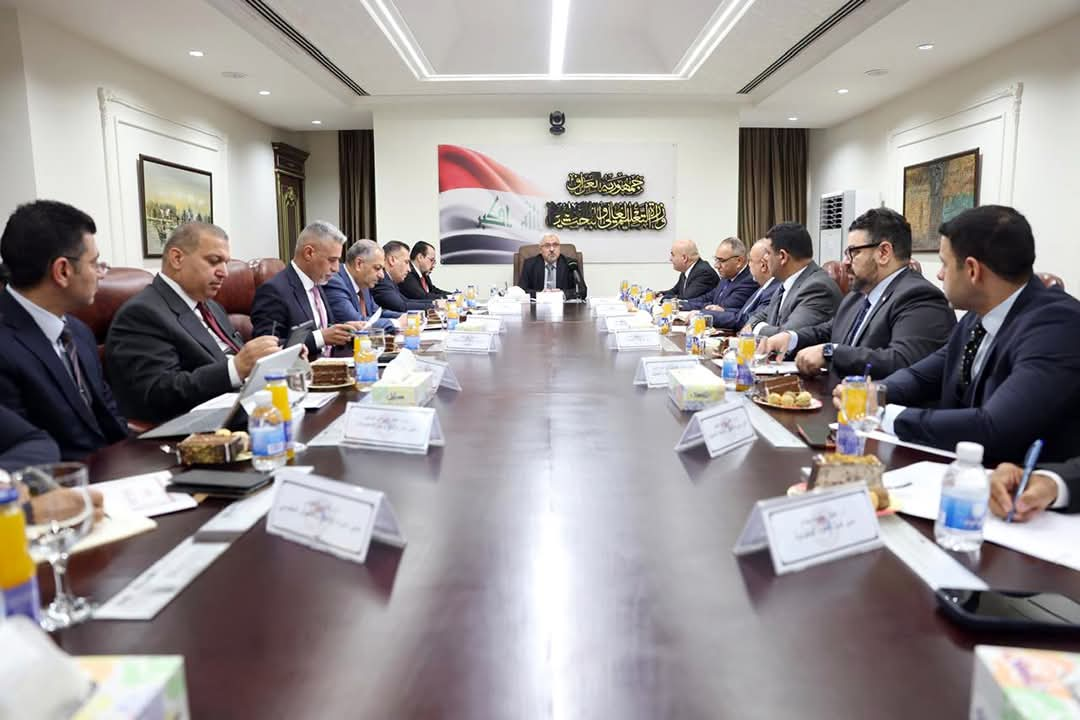
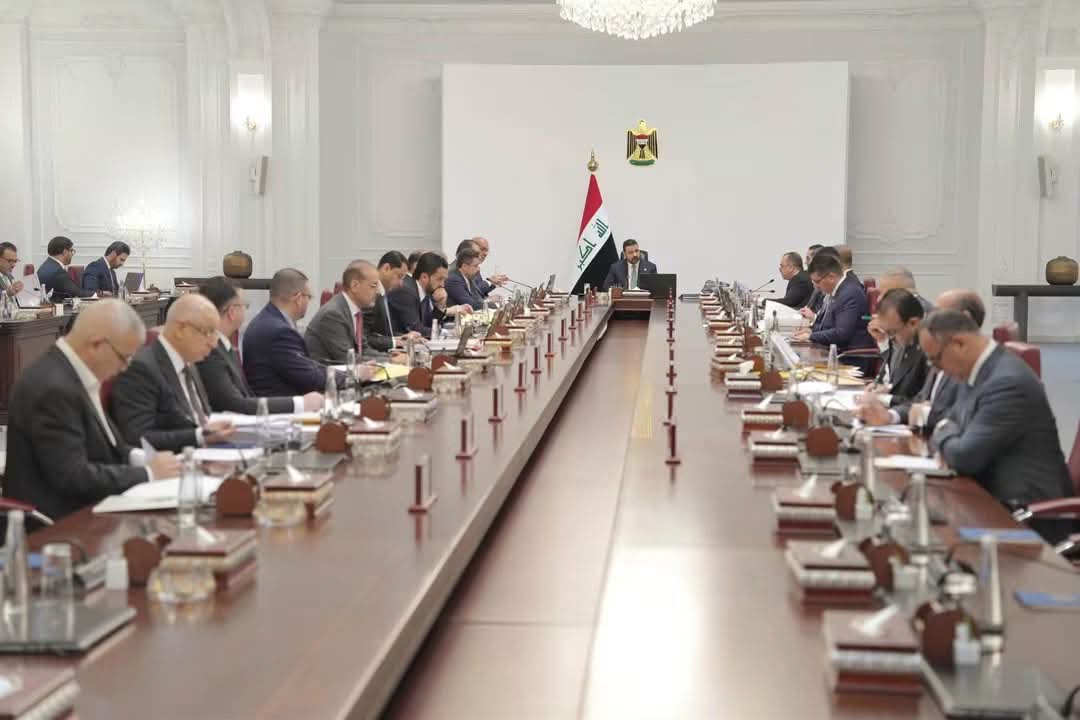
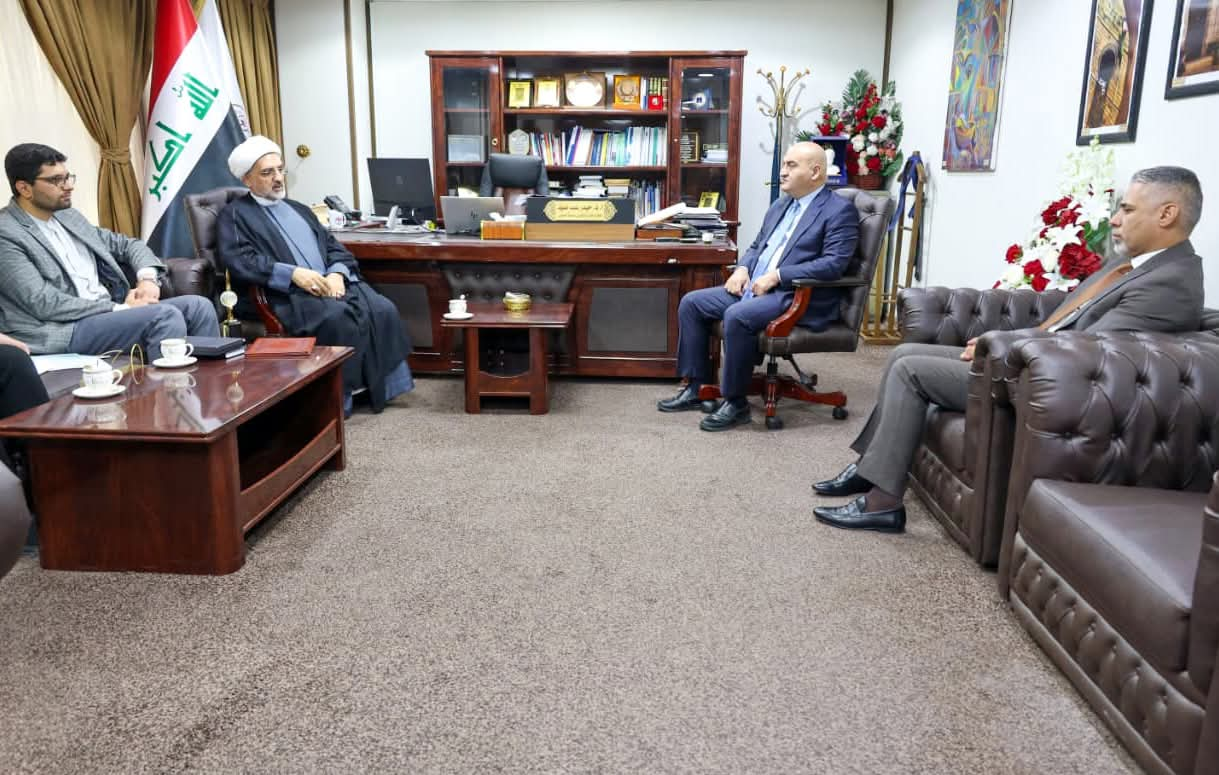
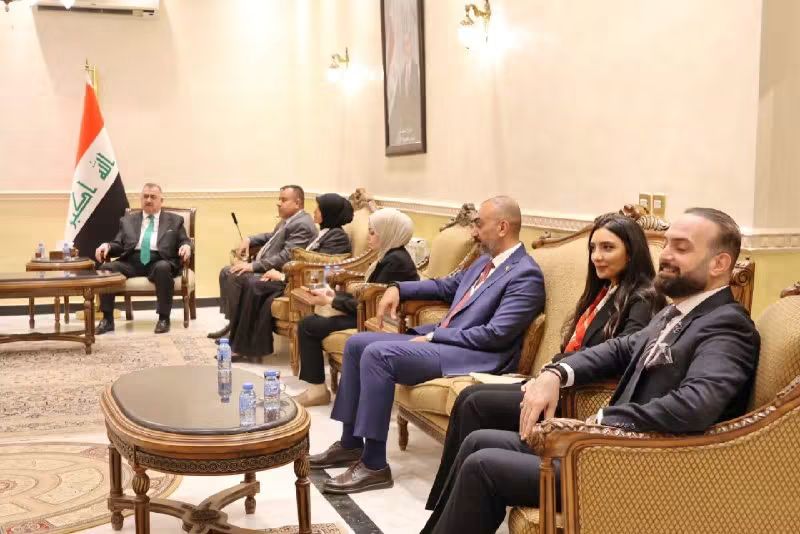
During a press conference held following the Advisory Board Council session, His Excellency, Minister of Higher Education and Scientific Research, Prof. Dr. Haider Bahaa Al-Hasani affirmed that the Ministry is moving toward establishing the (productive university) model to enhance university autonomy enabling institutions to leverage their scientific and research capabilities and diversify their financial resources, thereby solidifying their role in national development and fostering partnerships with the private sector.
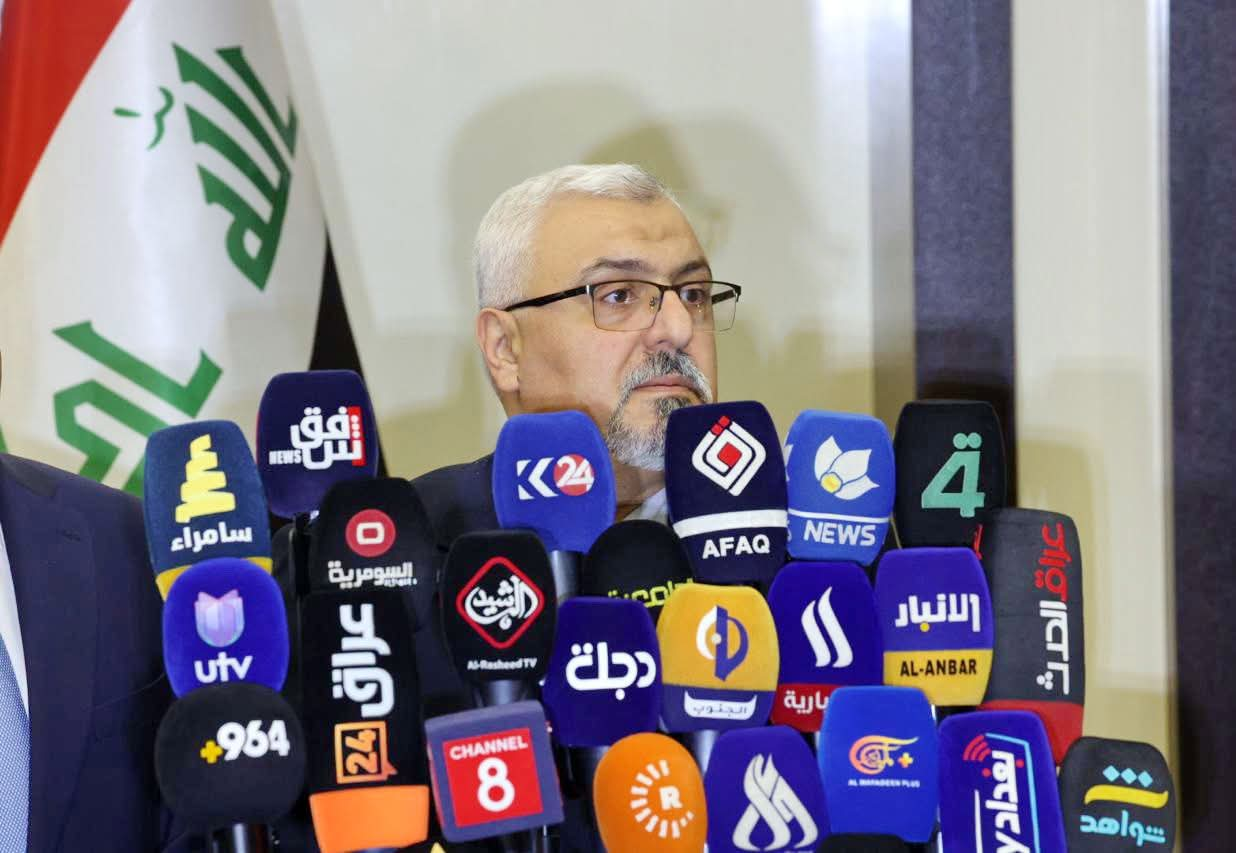
Prof. Dr. Haider Bahaa Al-Hasani said that the decisions reached by the Advisory Council (Hay'at al-Ra'y) are designed to advance higher education institutions, strengthen the educational process, improve the university environment, and align with the demands of the labor market.
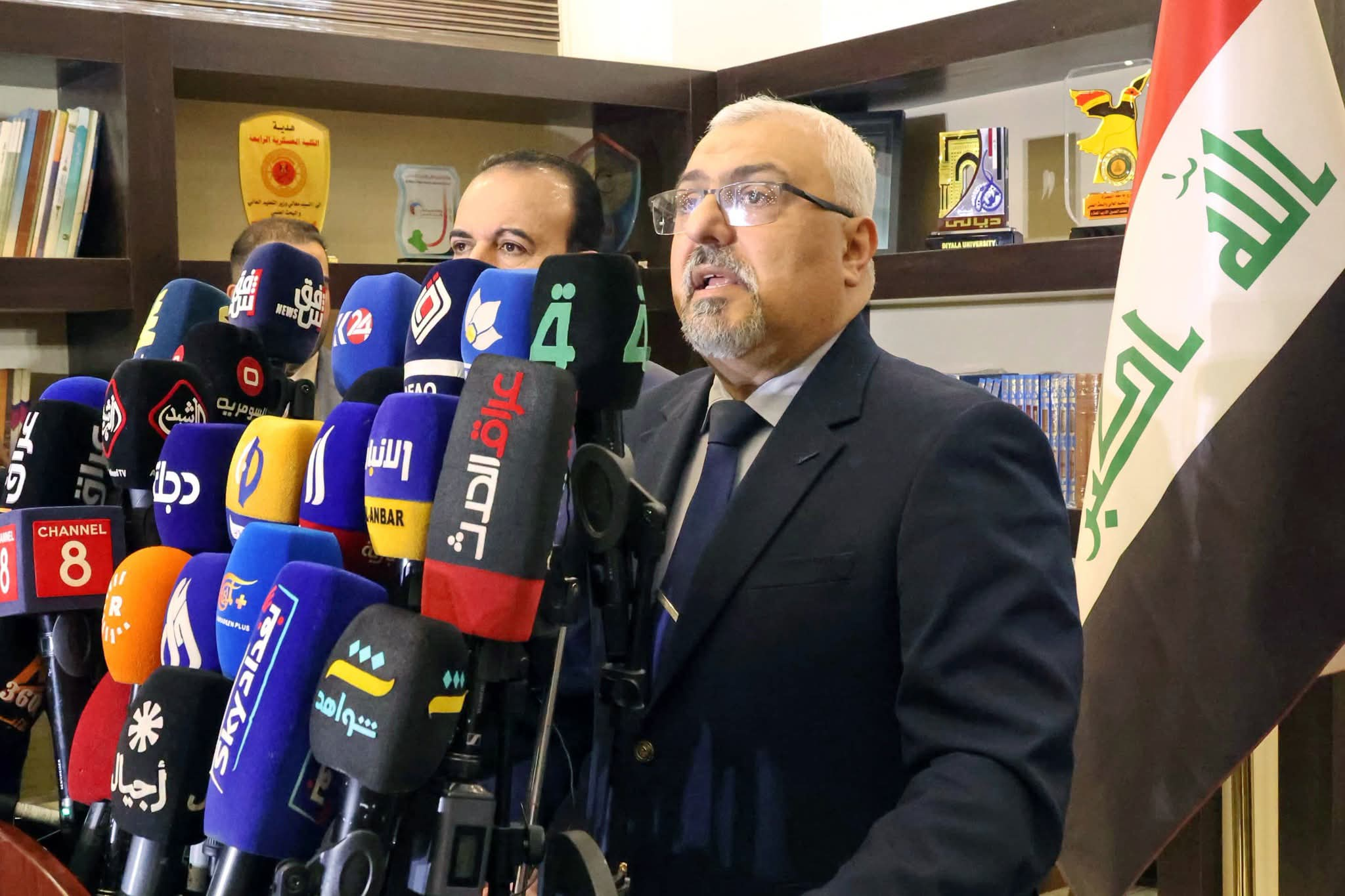
His Excellency highlighted that the transition to a (productive university) model represents an advanced stage in the development of higher education institutions, particularly now that the necessary infrastructure, laboratories, and human resources are in place.
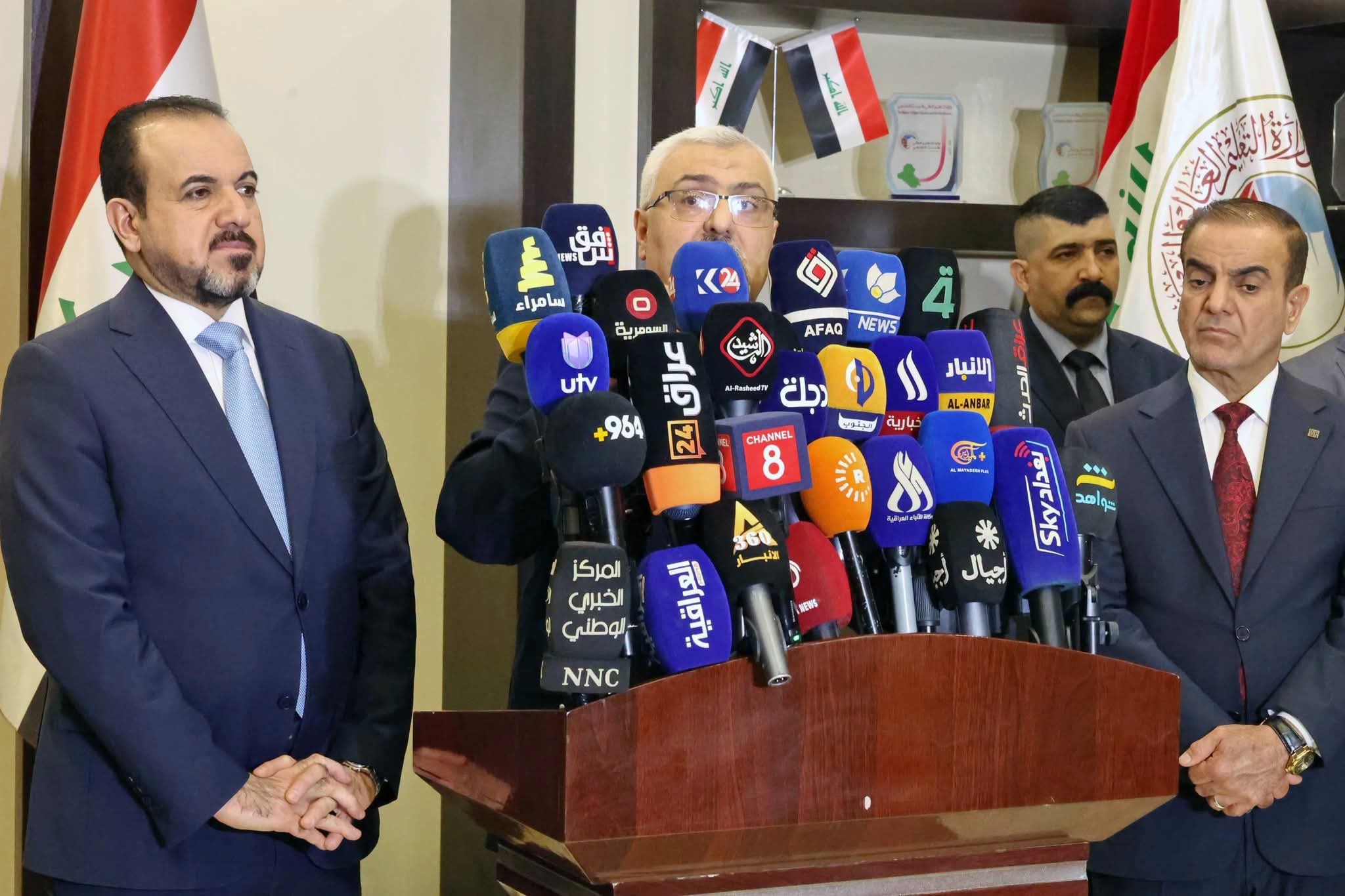
Prof. Dr. Haider Bahaa Al-Hasani highlighted the Ministry’s focus on strengthening collaboration between faculties, such as those in medicine, agriculture, the sciences, and engineering and relevant private-sector entities to apply their expertise and research potential toward addressing challenges faced by productive sectors, while providing services and solutions that meet the needs of society and the national economy.
His Excellency added that the (productive university) model does not entail abandoning the core educational mission or imposing additional burdens on students and developing academic and research outputs and transforming them into valuable products and services according to quality standards, academic accreditation, and global university rankings.
Prof. Dr. Haider Bahaa Al-Hasani stated that the Ministry aims to prepare universities to gradually transition toward models capable of diversifying their financial resources and leveraging their scientific and specialized services.
His Excellency continued by saying that ten universities have been selected to initiate this process, emphasizing that its success depends on fulfilling institutional development requirements and ensuring educational quality.
Prof. Dr. Haider Bahaa Al-Hasani reviewed the importance of completing infrastructure and scientific research laboratory requirements, securing the necessary specialized staff, and fostering a suitable environment for students.
His Excellency announced the formation of a ministerial committee comprising senior ministry officials tasked with assessing the state of university infrastructure and identifying the needs and requirements for improving the educational environment.
Considering private higher education, Prof. Dr. Haider Bahaa Al-Hasani also highlighted the sector’s significance as a key partner in the higher education system and the role of private universities and technical colleges in supplying the labor market with specialized talent.
His Excellency stressed that any expansion in admissions or adjustments to the number of student seats must be based on criteria of academic rigor, actual institutional capacity, and the availability of laboratories and educational/training resources, particularly in medical disciplines, which require comprehensive clinical and training facilities.
Prof. Dr. Haider Bahaa Al-Hasani also reviewed that the Ministry will monitor the extent to which private universities and colleges adhere to quality standards and academic accreditation, as well as the Ministry will review tuition fees and ensure compliance with existing regulations through the establishment of specialized committees tasked with examining these matters.
His Excellency indicated that the Ministry will review certain decisions regarding postgraduate study seats to strike a balance between meeting admission requirements and ensuring academic rigor.
Prof. Dr. Haider Bahaa Al-Hasani emphasized that reducing the number of seats should not serve as a substitute for the academic standards that determine the eligibility of institutions and programs to enroll students.
Considering admissions, His Excellency said that the Ministry is addressing the status of postgraduate students admitted under specific contractual categories, as well as addressing the decision to lower admission thresholds for medical faculties at private universities and colleges by two percentage points, applicable only for the current academic year.
Prof. Dr. Haider Bahaa Al-Hasani clarified that the implementation of this measure is subject to specific regulations and the actual institutional capacity, ensuring it does not compromise academic rigor or the quality of education.
In another context, His Excellency affirmed that the Ministry is working to resolve issues concerning universities in the Kurdistan Region and to enhance coordination between these institutions and federal universities to strengthen academic cooperation, facilitate the exchange of admission opportunities, and develop appropriate solutions for cases requiring joint coordination, all while adhering to legal frameworks and established regulations.
Concerning student services, Prof. Dr. Haider Bahaa Al-Hasani added that the Ministry has reached an understanding with the operator of the (HEPIQ) platform to provide services and facilities designed to alleviate financial burdens on students, including a one-month deferral of payments while ongoing issues are being addressed and appropriate solutions are sought and special services and benefits will be offered to students through mechanisms currently being finalized.
His Excellency demonstrated that the Ministry is actively overseeing this matter, fulfilling its responsibility toward its students.
Prof. Dr. Haider Bahaa Al-Hasani also addressed the status of land plots allocated for ministry personnel, including faculty members and staff, as well as reviewing that the Ministry intends to consult with the Council of Ministers regarding a potential exemption from the (real estate developer) mechanism, such an exemption would allow for the direct allocation of land to personnel, according to the existing legal frameworks and current regulations.
In his concluding says, His Excellency emphasized that the Ministry’s doors remain open to all students, faculty, and staff, as well as maintaining active communication with academic institutions and those who utilize their services is essential for identifying and resolving challenges.
Prof. Dr. Haider Bahaa Al-Hasani further called for the dissemination of accurate information and the strengthening of trust between the Ministry and the academic community, ensuring the effective implementation of decisions and the realization of key objectives: advancing higher education and elevating the standards of Iraqi universities.
Directorate of Media & Government Communication
Ministry of Higher Education & Scientific Research
October 21, 2026